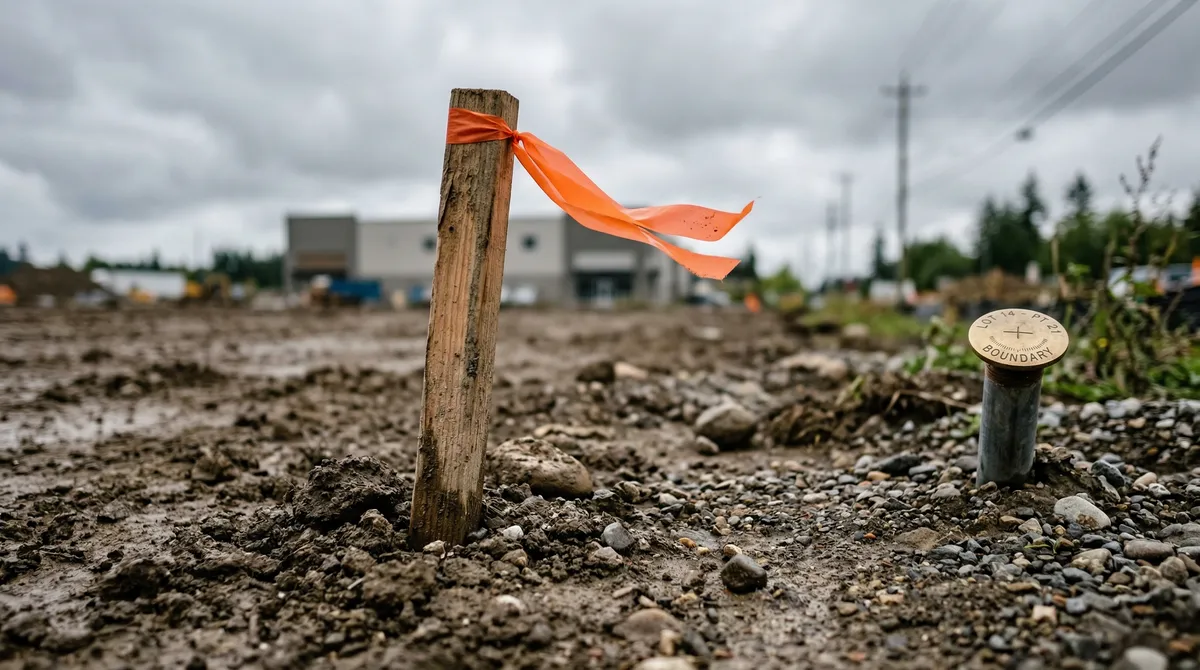
A ground lease splits land ownership from building ownership. The landowner collects steady, hands-off rent for 30 to 99 years, and the tenant gets a location they could never buy outright without laying out cash for the dirt. Per CoStar Group, ground leases with investment-grade tenants and 30-plus years left on the term trade at cap rates of 3.5-4.5%. That is about as safe as income gets in commercial real estate, and the landowner still gets the building back when the lease runs out.
Ground Lease Durations: Typically range from 30 to 99 years, with major developments often securing the longest terms.
Investment-Grade Returns: Ground leases with investment-grade tenants and 30+ year terms offer cap rates of 3.5-4.5%, reflecting their low-risk nature.
Tenant Tax Advantage: Ground rent is fully tax-deductible as an operating expense, offering a significant benefit over land ownership.
Landlord Reversion Benefit: Landowners gain full ownership of the building and all improvements at lease expiration at no additional cost.
Ground Lease is a long-term agreement where a tenant leases land from a landowner to construct a building, with the building typically reverting to the landowner at the lease's expiration.
Lease duration: 30-99 years depending on property type, with major developments often at the longer end (CoStar Group)
Cap rates: 3.5-4.5% for investment-grade tenants with 30+ years remaining; 5.0-6.5% for non-investment grade (CoStar Group)
Tax advantage for tenants: Ground rent is fully deductible as an operating expense vs. only depreciation for owned land (IRS)
Reversion benefit: Landowner receives the building and all improvements at lease expiration at no additional cost (National Association of Realtors)
What is a ground lease
It is a long-term lease of the land only. The tenant leases the dirt and, in almost every case, puts up the building on their own dime. When the lease ends, the building usually goes back to the landowner.
How the structure works
Ground Lessor (Landowner):
- Owns the land
- Leases for 30-99 years
- Receives ground rent
- Gets building at lease end
Ground Lessee (Tenant):
- Leases the land
- Owns building during lease term
- Pays ground rent
- Invests in construction
Why anyone uses this structure
What the landowner gets
- Retain Ownership: Keep appreciating asset
- Stable Income: Long-term, predictable cash flow
- Minimal Management: Tenant handles operations
- Building Reversion: Receive building at lease end
What the tenant gets
- Lower Capital Requirement: No land purchase
- Preserve Capital: Deploy funds for building/operations
- Prime Locations: Access land that's not for sale
- Tax Benefits: Rent is fully deductible
The terms you will see
How long the lease runs
- Retail/commercial: 30-50 years
- Office/industrial: 40-60 years
- Major developments: 50-99 years
How the rent goes up
| Method | Description |
|---|---|
| Fixed Increases | 2-3% annual or periodic |
| CPI Adjustment | Tied to inflation |
| FMV Reset | Periodic revaluation |
| Percentage Rent | % of tenant gross sales |
Buying a ground lease as an investment
What draws investors to them
1. Ultra-Stable Income: Long leases, credit tenants
2. Truly Passive: No management, no TI, no capex
3. Defensive: Senior position; land doesn't depreciate
What they trade at
| Tenant Credit | Remaining Term | Cap Rate |
|---|---|---|
| Investment Grade | 30+ years | 3.5-4.5% |
| Investment Grade | 15-30 years | 4.0-5.0% |
| Non-Investment Grade | 30+ years | 5.0-6.5% |
Three ways I have seen investors play it
Strategy 1: Long-Term Hold
Buy with strong tenant, collect rent for decades, receive building at reversion.
Strategy 2: Lease Extension Play
Buy shorter-term lease, negotiate extension, create significant value.
Strategy 3: Credit Arbitrage
Acquire below investment grade, tenant improves credit over time, cap rate compresses.
Where the risk sits
Ground Lessor Risks:
- Below-market rent lock-in
- Tenant default
- Building obsolescence at reversion
Ground Lessee Risks:
- No land appreciation benefit
- Rent escalation exposure
- Building may be lost at lease end
Lornell Real Estate assists investors with ground lease transactions across Central Massachusetts. Contact us to discuss investment or monetization strategies.
Limitations: Cap rates, pricing, and transaction volume cited reflect market-level averages at the time of publication and may not apply to individual properties. Property values depend on asset-specific factors including condition, tenant credit quality, lease terms, location, and financing structure. Tax rules (including 1031 exchange provisions, capital gains rates, and depreciation schedules) change with legislation. This article does not constitute investment, tax, or legal advice. Consult a qualified CPA, attorney, and commercial real estate broker before making transaction decisions.
Sources & References
- CoStar
- CoStar Group
- IRS
- National Association of Realtors
This article cites data from the sources listed above. For the most current figures, consult the original publications directly.
Data current as of publication date. Market conditions, rates, and regulations may have changed. Consult a qualified commercial real estate professional before making investment decisions.
Get the full Central MA market data
Commercial tax-base growth, development activity, and demographics across Central MA, town by town.