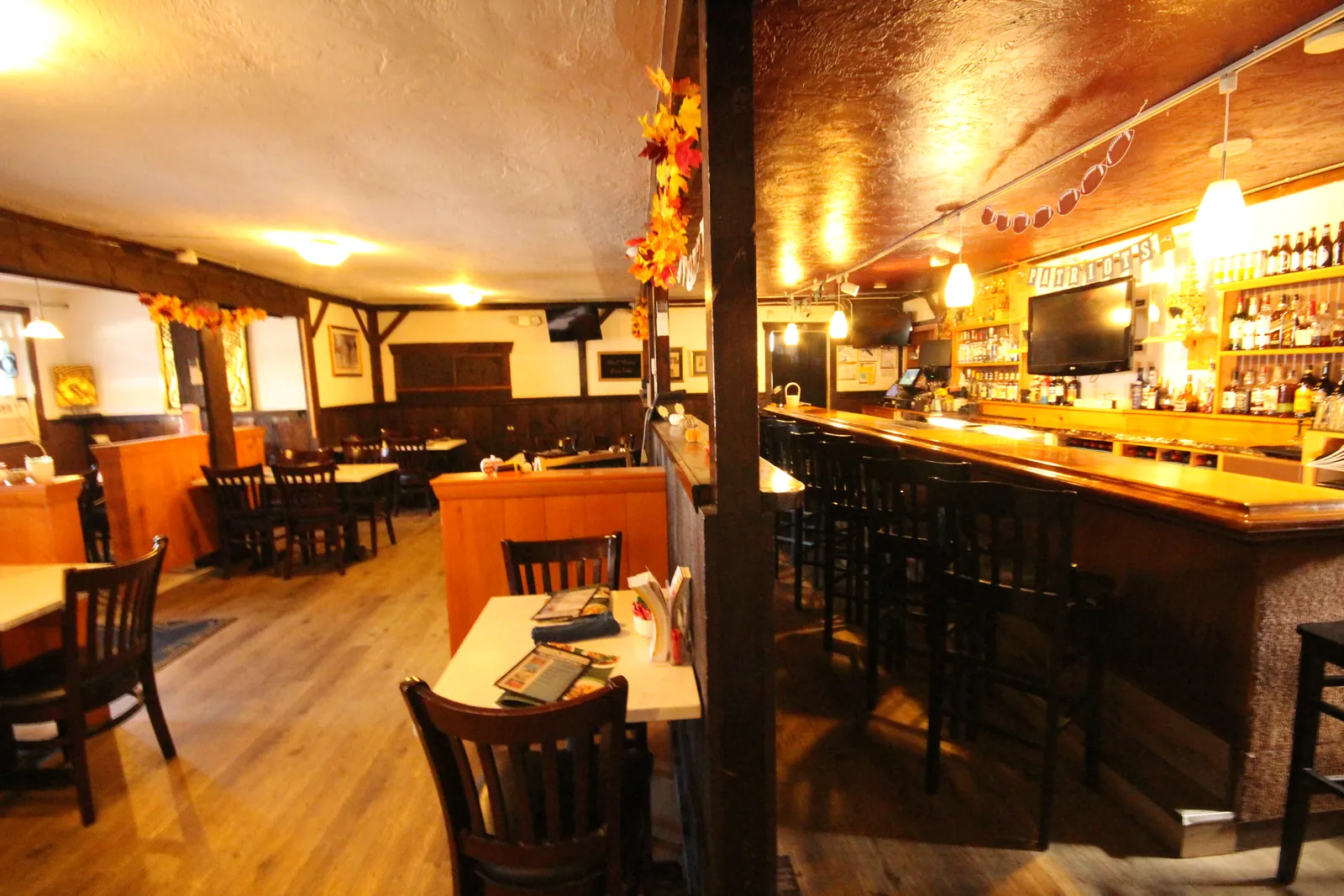
A working restaurant for sale is often two sales in one: the building, and the business that operates in it. We have one on the market now. 355 East Main Street in East Brookfield, home of Thai House, is offered at $400,000 for the 1,966 SF building on Route 9, and the owner will sell the Thai House business separately for $300,000. The questions below are the ones a buyer of a deal like that has to answer in Massachusetts.
In brief
- 1
The liquor license goes with the business, by approved transfer only. The town and the ABCC both have to approve it, and in a small town a new license may not be available at all, so make the transfer a condition of the purchase.
- 2
The food permit never transfers. The new owner applies and passes an inspection. In East Brookfield the Board of Health wants the application at least 30 days before opening, and the restaurant permit costs $295 a year above 50 people and $180 below.
- 3
Skip the tax certificate and you can owe the seller's meals tax. A buyer who does not hold back part of the price until the seller produces a Department of Revenue certificate can be personally liable for the unpaid tax, up to the purchase price.
- 4
A restaurant on septic carries rules one on sewer does not. Title 5 requires an inspection within two years before title transfers, and the kitchen needs a grease trap of at least 1,000 gallons, pumped at least every three months.
- 5
An SBA 504 loan suits an owner-operator, not a landlord. It lends up to $5 million for a restaurant, typically with at least 10% down, but the borrower must occupy at least 51% of an existing building. SBA 7(a) can fund both at once.
The building or the business
The real estate is the land, the building and whatever is attached to it. The business is everything that makes it a restaurant: the name, the recipes and staff, the goodwill, the equipment it owns, and, if it has one, its license to serve alcohol. When the business is sold as a set of assets, the IRS has both sides report how the price splits between equipment, intangibles like licenses and the workforce, and goodwill (Form 8594).
That split decides who you are. An owner-operator usually buys both and keeps cooking. An investor can buy only the building and collect rent from the operator, or from the next one. Ask early which side the kitchen equipment is priced on, because a building sold "with its equipment" and a business sold "with its equipment" can mean the same stove twice.
The liquor license moves with the business
In Massachusetts a restaurant license to serve alcohol is granted by the town under chapter 138, section 12, with the prior approval of the Alcoholic Beverages Control Commission. It is either an all-alcohol license or a wines and malt beverages license, and the restaurant must also hold a common victualler license from the select board under chapter 140, section 2.
Licenses are capped. Section 17 allows a town one all-alcohol license for each 1,000 residents, and never fewer than 14, so in a small town the floor is the limit and a new license may not be available at all. That is why a license usually comes to a buyer through a transfer from the current holder under section 23. The steps are set by statute:
- The town publishes notice of the application in a newspaper, at the applicant's cost, within 10 days of receiving it (section 15A).
- The hearing is held no sooner than 10 days after the notice runs.
- The town has to act within 30 days of the filing (section 16B), and a refusal can be appealed to the ABCC.
- The ABCC reviews and approves the transfer, and the town then issues the license.
Until the license is issued, the buyer cannot run the bar. If the restaurant you are buying serves alcohol, make the license transfer a condition of the business purchase, and ask what type of license it is before you price the deal.
The food permit starts over
The food establishment permit does not move at all. The Food Code, which Massachusetts adopts in 105 CMR 590.000, says a permit may not be transferred from one person to another. The board of health can issue a permit to the new owner once the application is approved, the fees are paid and an inspection shows the place complies, and it has to be told within 48 hours of any change in ownership.
In East Brookfield the Board of Health asks for its food permit application at least 30 days before opening, with a tax compliance certificate and a workers' compensation affidavit. Its fee schedule sets the restaurant permit at $295 a year above 50 people and $180 below. The kitchen also needs a certified food protection manager.
Taxes a buyer can inherit
Two parts of chapter 62C catch buyers who do not ask for paperwork.
- Meals tax (section 44). When a business that owes sales or meals tax is sold, the buyer must hold back enough of the price until the seller produces a Department of Revenue certificate that the tax is paid. A buyer who does not can be personally liable for the seller's unpaid tax, up to the purchase price.
- Corporate tax lien (section 51). When a corporation sells substantially all of its assets, the Commonwealth has a lien on them unless the corporation notifies the Department of Revenue at least 5 days before the sale and pays, or the department waives the lien in writing. That can reach a corporate owner's sale of the building as well as the business.
The meals tax itself is 6.25% statewide, and a town can add 0.75%. East Brookfield adopted that local option from October 1, 2026, making 7%, as Spencer, West Brookfield and Worcester already had. Brookfield and North Brookfield have not adopted it.
Septic and the grease trap
Much of rural Worcester County is on septic, and a restaurant on septic carries more rules than one on sewer. East Brookfield's 2008 master plan says municipal water runs along Route 9 but municipal sewer does not, so check the system for any site in town.
Where a property is on septic, Title 5 requires the system to be inspected within two years before the title transfers (310 CMR 15.301), which applies to the sale of the real estate. A restaurant kitchen needs a grease trap of at least 1,000 gallons (310 CMR 15.230), which the owner inspects every month and a licensed hauler pumps at least every three months (310 CMR 15.351). Add that to the operating budget.
Financing the purchase
The SBA's two programs fit different buyers.
- SBA 7(a) lends up to $5 million and can pay for real estate, equipment, working capital and a change of ownership, so it can fund buying the business and the building together. The real estate portion can run up to 25 years.
- SBA 504 finances the building through a Certified Development Company, up to $5 million for a restaurant (13 CFR 120.931), with the buyer typically putting in at least 10%. On an existing building the borrower has to occupy at least 51% of it (13 CFR 120.131).
The SBA's lending rules changed on October 1, 2026, and the change of ownership rules now sit in their own appendix, so have your lender confirm the equity injection for a business purchase.
What to ask before you offer
- Is the business for sale, the building, or both, and at what price each?
- Does the restaurant hold a liquor license, and is it all-alcohol or wines and malt?
- Which price includes the kitchen equipment?
- Is the property on sewer or septic, and when was the system last inspected?
- Will the seller provide the Department of Revenue certificate and, for a corporation, the lien waiver?
If you want to walk Thai House or see the other restaurant space we have for sale and lease, call Collin Mulcahy at (774) 230-3634. Our Brookfields market page covers the towns along Route 9 west of Spencer.
Sources: MGL chapter 138, sections 1, 12, 15A, 16B, 17 and 23 (malegislature.gov), MGL chapter 140, section 2 (common victualler licenses), MGL chapter 62C, sections 44 and 51; chapter 64H, section 2; chapter 64L, section 2, 105 CMR 590.000 and the FDA Food Code (2013), section 8-304.20, 310 CMR 15.230, 15.301 and 15.351 (Title 5), 13 CFR 120.131, 120.212 and 120.931; SBA 7(a) and 504 program pages, IRS, Instructions for Form 8594, Massachusetts Division of Local Services, Local Tax Options report (October 2026), Town of East Brookfield: Board of Health fee schedule and food permit application; 2008 Community Master Plan, Land Use chapter.
Limitations: This article is general information about Massachusetts rules as of October 2026, not legal or tax advice. License, permit and lending requirements change and vary by town; confirm each one with the licensing authority, the board of health, the Department of Revenue, your lender and your attorney before you sign.
Get the Fall 2026 Worcester market report
An owner's guide in thirteen pages, from CoStar's 10 August 2026 data and the city's own records: each sector's vacancy, rents and record prices, why small industrial is full while big boxes are not, what sold and to whom, the submarket spreads, and what it all means if you own a building in Worcester County. Every figure names its source.