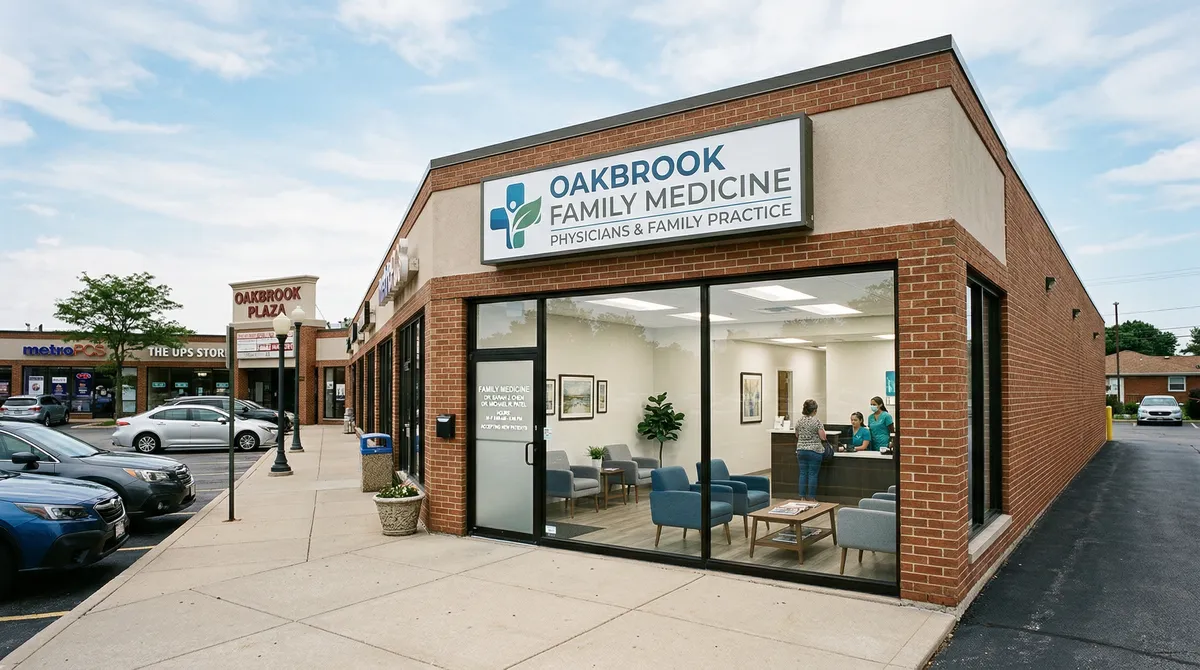
Medical office buildings are one of the most recession-resistant commercial real estate sectors, with average vacancy of just 8.2% compared to 17.2% for traditional office, according to CBRE. The $150+ billion U.S. medical office market is growing at 3-4% annually as healthcare providers migrate from hospital campuses to convenient retail-style locations with 30-45% lower occupancy costs.
- Recession Resistance: Medical office buildings maintain a low 8.2% average vacancy, outperforming traditional office at 17.2% and indicating strong market stability.
- Market Growth: The $150+ billion U.S. medical office market is expanding 3-4% annually, fueled by providers seeking 30-45% lower occupancy costs in retail locations.
- Superior Tenant Metrics: Medical office properties benefit from 85% tenant retention and 7-10 year lease terms, significantly better than traditional office's 65% retention and 5-7 year terms.
- Provider Cost Savings: Healthcare providers save 30-45% on rent and 25-40% on build-out costs by moving from hospital campuses to convenient retail-style locations.
NNN (Triple Net Lease) is a commercial lease agreement where the tenant pays not only rent but also all property expenses, including real estate taxes, building insurance, and maintenance costs.
Medical office vacancy: 8.2% vs. 17.2% for traditional office (CBRE)
Tenant retention: 85% for medical tenants vs. 65% for traditional office, reducing turnover costs (Cushman & Wakefield)
Market growth: $150+ billion U.S. medical office market growing at 3-4% annually (Statista)
Cost savings for providers: Retail locations offer 30-45% lower rent and 25-40% lower build-out costs vs. hospital campuses (CBRE)
The Healthcare Real Estate Revolution
Healthcare is leaving the hospital. Driven by consumer demand for convenience, cost pressure from insurers, and advances in outpatient care, medical services are migrating to retail-style locations closer to patients.
The Numbers
Market Size and Growth:
- U.S. medical office market: $150+ billion
- Annual demand growth: 3-4%
- Healthcare as % of GDP: 18% (and rising)
- New MOB deliveries: Down 25% from 2019 levels
Performance Metrics:
| Metric | Medical Office | Traditional Office |
|---|---|---|
| Average Vacancy | 8.2% | 17.2% |
| Rent Growth (5-yr avg) | 3.1% | 1.2% |
| Tenant Retention | 85% | 65% |
| Average Lease Term | 7-10 years | 5-7 years |
Why Healthcare Is Going Retail
1. Consumer Convenience
Patients increasingly expect healthcare to be as convenient as other services:
- Proximity: Within 15 minutes of home
- Access: Easy parking, no garage navigation
- Hours: Evening and weekend availability
- Experience: Retail-quality environments
2. Cost Efficiency
Healthcare providers save significantly in retail locations:
| Cost Factor | Hospital Campus | Retail Location | Savings |
|---|---|---|---|
| Rent/SF | $45-65 | $25-35 | 30-45% |
| Build-out | $200+ | $120-150 | 25-40% |
| Parking | Structured ($25K/space) | Surface (included) | 90%+ |
3. Regulatory Shift
Medicare reimbursement changes favor outpatient settings. Same procedures reimbursed at lower rates when performed in hospital settings.
Tenant Categories Driving Demand
Primary Care and Urgent Care
Profile:
- Footprint: 3,000-8,000 SF
- Lease term: 7-10 years
- Rent tolerance: $28-38/SF NNN
- Key requirements: Ground floor, parking, visibility
Specialty Practices
High-Demand Specialties:
| Specialty | Typical SF | Growth Driver |
|---|---|---|
| Orthopedics | 8,000-15,000 | Aging population |
| Dermatology | 3,000-6,000 | Cosmetic + medical |
| Ophthalmology | 5,000-10,000 | Cataract procedures |
| Cardiology | 6,000-12,000 | Preventive care |
| Physical Therapy | 3,000-5,000 | Post-acute care |
Behavioral Health
Fastest-Growing Segment:
- Mental health clinics: 3,000-8,000 SF
- Substance abuse treatment: 5,000-15,000 SF
- Autism therapy: 8,000-20,000 SF
Central Massachusetts Medical Office Market
Demand Drivers
Demographics Favor Healthcare Growth:
- Worcester County median age: 40.2 years
- Population 65+: Growing 3% annually
- Insured rate: 97%+ (Massachusetts)
Major Health Systems:
- UMass Memorial Health (largest employer)
- St. Vincent Hospital
- Reliant Medical Group
- Fallon Health
Current Market Conditions
| Metric | Worcester County |
|---|---|
| MOB inventory | 4.2 million SF |
| Vacancy | 6.8% |
| Average rent | $26-32/SF NNN |
| Cap rates | 6.5-7.5% |
Investment Considerations
Location Selection
Ideal Characteristics:
| Factor | Target |
|---|---|
| Population (3-mile) | 30,000+ |
| Median age | 40+ (healthcare utilization) |
| Household income | $60,000+ (insurance coverage) |
| Traffic count | 20,000+ ADT |
| Parking ratio | 5+ per 1,000 SF |
Lease Structures
Typical Terms:
- Initial term: 7-10 years
- Options: Two 5-year renewals
- Rent escalations: 2.5-3% annual
- TI allowance: $40-80/SF (varies by credit)
- Structure: NNN or Modified Gross
Investment Thesis
Medical office represents a compelling sector for several reasons:
1. Recession Resistance: Healthcare demand is non-discretionary
2. Demographic Tailwinds: Aging population increases utilization
3. Supply Constraints: Specialized requirements limit new construction
4. Tenant Stability: Long leases, high renewal rates
5. Yield Premium: 50-100 bps above traditional office
Lornell Real Estate tracks medical office opportunities across Central Massachusetts. Contact us to discuss healthcare real estate investment strategies.
Limitations: Market data, projections, and trend analyses reflect conditions at publication. Commercial real estate markets are inherently cyclical, and submarket and property-level performance can diverge significantly from the regional averages cited. Demographic data, employer information, and regulatory conditions are subject to change. This article does not constitute investment advice. Conduct property-specific due diligence and consult qualified professionals before making investment decisions.
Sources & References
- CBRE
- Cushman & Wakefield
- Statista
This article cites data from the sources listed above. For the most current figures, consult the original publications directly.
Data current as of publication date. Market conditions, rates, and regulations may have changed. Consult a qualified commercial real estate professional before making investment decisions.
Get the full Central MA market data
Vacancy, rents, cap rates, and permit activity — straight to your inbox.